Sen. Fahy’s Statement on Passage of Final FY2027 Budget
May 28, 2026
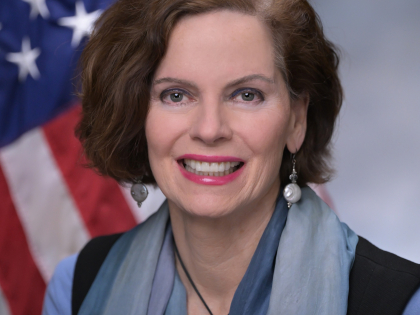
ALBANY, N.Y. — New York State Senator Patricia Fahy (D–Albany) released the following statement upon news that the final pieces of the New York State FY2027 budget were passed by the State Senate last night:
“Although this year’s state budget process stretched nearly two months beyond the April 1st deadline, the final product reflects difficult negotiations and meaningful compromises. At a time when New Yorkers continue to face the worst affordability crisis since 2008, rising housing and utility costs, and growing economic uncertainty nationally and globally, this budget makes targeted investments to position the Capital Region for long-term growth.
Locally, I’m pleased we secured major wins for Albany and the Capital Region that will strengthen our economy, support working families, and invest in our future.
This budget delivers an additional $20 million in aid and fiscal stabilization funding for the City of Albany to restore public confidence and help our Capital City address longstanding structural challenges driven in part by the enormous amount of tax-exempt state-owned property within our city limits.
After numerous years of advocacy, we also secured $1 million for a comprehensive feasibility study to reimagine the Harriman State Office Campus, a once-in-a-generation opportunity to plan commercial, retail and badly needed housing, reconnect neighborhoods, and unlock the full economic potential of Albany’s Uptown Parking Lot District.
Additional Capital Region investments we were able to secure include:
- $5 million for the Assistive Technology Innovation Center to be located in the City of Albany;
- $2 million for the New York State Mesonet at the University at Albany, SUNY;
- $500,000 for the SUNY Albany Center for Autism and Related Disabilities, bringing total funding to $1.7 million;
- $1.5 million in SNUG gun violence prevention funding;
- $160,000 for the Capital District Women’s Bar Association Legal Project;
- $150,000 for the Albany Law School Immigration Clinic;
- $50,000 for Girls Inc. of the Greater Capital Region;
- and continued investments in workforce development, higher education, and economic growth that will help our region remain competitive.
At the same time, this budget includes several important affordability measures for New Yorkers struggling with rising costs:
- $1 billion in utility rebate checks;
- stronger utility ratepayer protections and greater scrutiny of excessive rate hikes;
- auto insurance reforms aimed at lowering some of the highest premiums in the nation;
- Significant SEQRA reforms to increase housing supply by reducing barriers to building new housing;
- continued universal school meals for students;
- expanded child tax relief for families;
- and no new middle-class income taxes.
As Chair of the Senate Disabilities Committee, I’m pleased that this budget includes a 2.7% Targeted Inflationary Increase (TII) for our nonprofit disability service providers and Direct Support Professional workforce. While we fought hard for a 4% increase, this investment represents meaningful progress for providers struggling to recruit and retain workers amid rising costs and workforce shortages. Our DSPs perform essential, often underappreciated, work day in and day out, and they deserve wages and support that reflect the dignity and importance of their profession.
Although it is not the full 15% increase we had hoped for, I’m pleased that we’re providing an additional $5 million for the State Transit Operating Assistance program, which funds transit authorities like CDTA across Upstate New York and outside of New York City, strengthening the quality and accessibility of public transportation in our communities.
On public safety, this budget takes important steps to address emerging threats by banning illegal 3D-printed ghost guns and Glock conversion devices that have increasingly appeared on our streets. It also provides critical support to volunteer firefighters across New York State, including volunteer departments throughout the Capital Region that face ongoing recruitment and staffing shortages.
We are also continuing New York’s commitment to advanced manufacturing and semiconductor growth through additional investments in the Albany Nanotech Complex and infrastructure needed to support it. These investments are helping position the Capital Region and Upstate New York as national leaders in the next generation of semiconductor manufacturing, research, and innovation.
Finally, I’m pleased that this budget provides needed, additional time for school districts to meet electric school bus requirements, ensuring we continue pursuing our climate goals while recognizing the infrastructure and fiscal realities facing local taxpayers and school districts.
No budget is perfect, but this fiscal plan delivers meaningful investments in affordability, housing, P-12 education, disability care, economic development, and the long-term future of the Capital Region and New York State. I thank Majority Leader Andrea Stewart-Cousins and my Senate colleagues for their leadership in advancing a budget that moves our state forward.”
###
Newsroom
Go to Newsroom