Hinchey: CVS Breakup Shows Why New York Must Take on Healthcare Monopolies
November 6, 2026
CVS CEO Acknowledges That State and Federal Proposals to Break up Big Medicine Played a Role in the Company’s Decision to Separate Its Pharmacy and Insurance Businesses
New Hinchey/Jacobson Bill Would Dismantle the Business Model that Allows Corporate Monopolies to Control Nearly Every Aspect of the Prescription Drug and Healthcare System
New Hinchey/Jacobson Bill Would Dismantle the Business Model that Allows Corporate Monopolies to Control Nearly Every Aspect of the Prescription Drug and Healthcare System
KINGSTON, NY – CVS Health, one of the nation’s largest healthcare conglomerates, announced this week that it plans to separate its pharmacy from its health insurance and pharmacy benefit manager (PBM) businesses by 2028. In an interview with CNBC, Chairman and CEO David Joyner attributes that decision, in part, to state and federal efforts to break up healthcare monopolies.
The separation would partially unwind CVS’s $69 billion acquisition of Aetna in 2018, which put a major health insurance company, a nationwide pharmacy chain, and its PBM under the same corporate ownership. That combination has given CVS enormous control over multiple parts of people’s healthcare. When the same company controls the insurance, the pharmacy, and the middlemen managing your prescription drugs, patients lose choices and corporations gain more power over what care people get and what they pay. While CVS now plans to separate some of these businesses, it remains unclear how separate the entities will truly be.
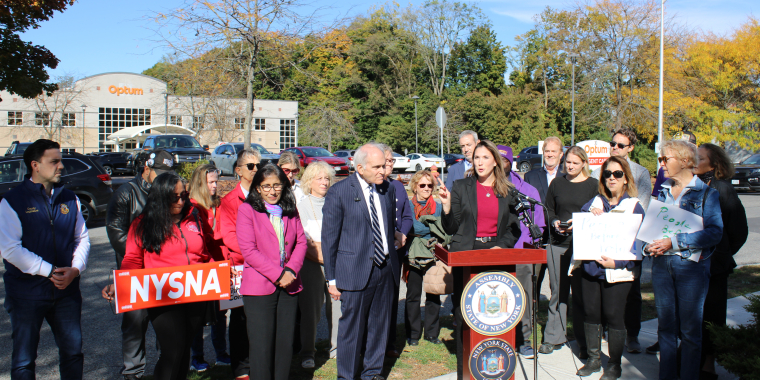
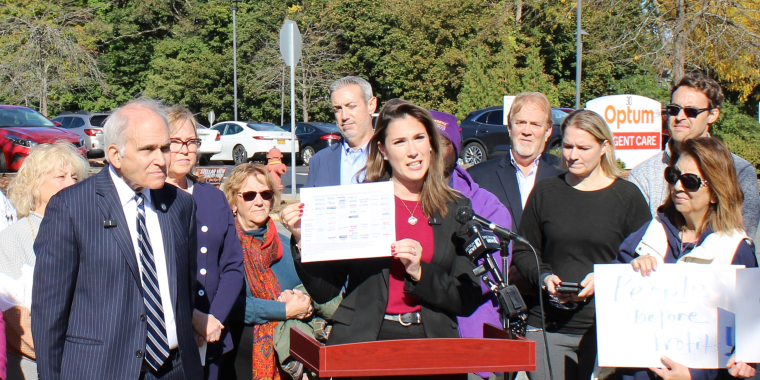
The news comes just two weeks after New York State Senator Michelle Hinchey and Assembly Member Jonathan Jacobson announced new legislation to break up these vertically integrated arrangements in healthcare. S.9191/A.9184 would require divestment between health plans and providers like pharmacies and clinics, and require pharmacies to separate from PBMs, the companies that manage prescription drug benefits.
Senator Michelle Hinchey issued the following statement in response:
"The CEO of CVS says state and federal proposals to break up healthcare monopolies influenced its decision to split itself up, to which I say - it’s about time. This is a positive development, but monopolies don’t need a round of applause for doing the right thing. This merger should never have been approved in the first place and represents the worst type of healthcare consolidation, along with neglect by the federal regulators responsible for protecting this public good. We cannot rely on corporations themselves to voluntarily fix a system that allows them to accumulate this much power over our healthcare. We need laws that restore competition and prevent these conflicts of interest from taking hold again. Our legislation would do exactly that, and I look forward to passing our bills through both houses next session."
###
Newsroom
Go to Newsroom